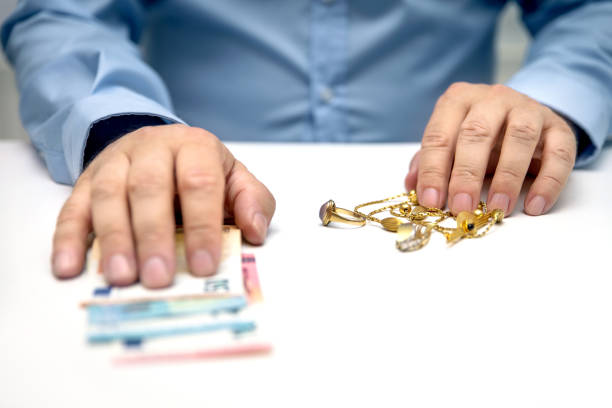
Pawnbrokers are used in many countries and have been around for centuries. They are used by people who need money quickly, but don’t want to sell their belongings. Pawning can be seen as a way of borrowing money with collateral.
Nowadays, it is much more common for people with excess valuables to pawn them in order to make ends meet until they can pay their bills or buy something else they need.
There are many reasons why someone might want to pawn their belongings. Therefore, we will go over how the pawning process works to ensure you get the best deal.
What is pawning?
Pawning is an ancient practice of using personal property as security for a loan. It was originally used to allow people without access to banks, or those who were too poor, to borrow money
The customer can redeem the item at any time, but if not redeemed within the specified time limit, ownership of the item is transferred to the pawnbroker.
Pawning is one way that some people access loans in lieu of traditional financial institutions.
There are many ways to pawn an item, but the most common are:
- Pawning your items at a pawn shop
- Pawning your items online with a company like Pawngo
- Selling your items on eBay or Amazon and then using the proceeds to buy back the items later.
Who is a Pawnbroker?
Now that we know what pawning is, let us look at who exactly a pawnbroker is.
A pawnbroker is someone who lends money based on the value of goods left with them (pledged). When you leave your items with the pawnbroker, they will provide you with a receipt known as a ticket.
The pawnbroker keeps the items for at least six months, but you can get them back at any time by repaying the loan plus interest. The period can be extended by paying only the interest and re-pledging the goods. You will be able to reclaim your property once you have fully repaid the loan.
you can also read: How To Get Loans For Debt Consolidation Bad Credit
Does pawning or selling get more money?
There is no universal answer to whether pawning or selling will yield the highest return. When deciding whether to pawn or sell, several factors must be considered. including:
- The item’s type,
- Condition of your item,
- How demanding is your item in the market
- How valuable is your item if you want to sell,
- The pawn shop itself.
In general, pawning is preferable if you need money quickly and can repay it quickly. Selling is preferable if you want to get a little more money for your item and are willing to part with it.
How does pawning work?
This is typically how the process works if you want to pawn an item in person in exchange for a loan.
- You go to a pawn shop with the item you want to use as security. They will assess its worth and tell you how much money they are willing to lend you.
- If you agree and are a new customer, you should be given a form titled “pre-contract credit information.” If you’re a returning customer, you may not receive a form, but you can still request one.
- The pawnbroker may request identification to verify your identity, and you must be at least 18 years old.
- You must read and understand before signing a credit agreement, which details how much the loan will cost and how long the loan term will be.
- You will be given a ticket that proves you own the security item. You must keep this safe so that you can hand it in and receive your item back when you repay the loan.
- You must show your ticket and pay off the loan in full before the end of the period specified in the agreement for the pawnbroker to return your item. You will typically pay off the loan in one payment, though it may be possible to pay in weekly or monthly instalments in some cases.
The process is similar if you use an online pawnbroker instead of going into a physical store.
Disadvantages of pawn loans
Pawning might be your best option. If you are looking for a quick and easy way to obtain financing, but it still have drawbacks, here are some of them.
- When compared to other forms of borrowing, pawn shop loans can have high-interest rates, making it a relatively expensive way to borrow.
- Pawnbrokers will not lend you the full value of the item used as collateral, so you may not receive as much money as you expect. You will almost certainly get more money if you sell the item, but you will lose the item forever.
- It can be difficult to prove ownership if you lose the ticket or receipt required to claim your item, especially if you borrowed a high amount
- If you are unable to repay the loan, you risk losing the item.
What Types of Items Can You Sell at a Pawnshop?
A pawnshop can sell almost anything, but some items command higher prices. Remember that if you do not pick up your item, the pawnbroker will sell it to make a profit. If they have a large inventory of whatever you’re selling, they may not buy it at all, or they may offer you a very low price.
Here is the list of the best items you can sell
- Jewelry
- Watches
- electronics
- Musical equipment
- Bikes
- Bikes
- Antiques
- Smartphones
How does pawning jewelry work?
You can always pawn your jewelry for cash, but jewelry can be sentimental, inherited, or heirloom pieces. In this case, it is preferable to release funds against your asset and receive the piece back once you have paid off your loan.
Pawnshops can come in handy. Pawning jewelry is one of the simplest ways to obtain a loan.
So, if you intend to pawn jewelry, this guide will provide you with all of the necessary information.
- Carry out some research to find the best pawn shop
- Determine whether you want to pawn or sell your jewelry
- Try Negotiating
- Prepare to back up your claims
- Make payment On-time
#1. Carry out some research to find the best pawn shop.
Conduct some online research to see what others have said about working with pawn shops in your area. Then, select a reputable shop and broker with whom you are comfortable.
Also, keep in mind that some pawn shops specialize in specific items. If you have jewelry, for example, look for a pawn shop that has experience buying and selling jewelry.
#2. Determine whether you want to pawn or sell your jewelry.
Pawn shops will give you options, so educate yourself on the pros and cons of each before you go in. A number of factors should be considered, including your ability to repay a loan and the value you place on the jewelry you are pawning or selling.
#3. Try Negotiating
Understand that pawn shop owners are not collectors, but rather resellers. Just because a collector values your jewelry at $100 does not mean you will receive that amount from a pawn shop. Set a minimum price ahead of time so you don’t make a hasty decision that you’ll later regret.
#4. Prepare to back up your claims
If you bring in a valuable piece of jewelry, consider having a professional jeweler write up an appraisal so you can prove its worth. If the item is battery-powered, make sure it has fresh batteries in it so you can demonstrate that it works. It is always beneficial to bring items in their original packaging.
$5. Make payment On-time
If you pawn your jewelry for a loan, make sure to repay the loan plus interest and fees on time and in full. Failure to do so will result in the loss of your item or the extension of the loan, both of which will incur additional fees.
Read also: What is a Conventional loan? Meaning, requirements, and Credit scores
Does pawning affect your credit?
Pawn loans will never have an effect on your credit. If you do not repay your loan, the pawn shop will simply reclaim your item. This means you won’t have to worry about damaging your credit if something unexpected happens and you can’t make your payments.
How long do pawn shops hold items before selling them?
Every pawn shop is different, but on average, they will keep items for up to 30 days before selling them. However, this is dependent on whether you are pawning or selling the item.
If you pawn your item for a loan, the pawn shop may give you a grace period before selling your item, but you’ll have to check with the individual pawn shop to be sure. Always try to pay off your loan as soon as possible to avoid having it sold to someone else.
However, if you recently sold the item to a pawn shop, you can expect it to be on the shelves within the next 30-40 days, sometimes longer.
What if you misplace the ticket?
If you lose your ticket, please notify your Pawnbroker immediately so that they can record a “Lost Ticket” notice in your computer account. This ensures that your belongings will not be given to the person in possession of your ticket.
If you arrive without a ticket, you may be required to show your photo ID and sign a copy of the pawn ticket.
If the amount borrowed was small, the pawnbroker can provide you with a standard form to fill out stating that you lost the ticket but that the goods are yours.
Read More: Alone Prize Money
Conlusion
when seeking a quick and simple method of obtaining financing a pawnbroker could be the best option. this is preferable if you are in need of money and have the ability to repay it quickly.
If you pawn your item for a loan, the pawn shop may give you a grace period before selling your item, but you must confirm this with the individual pawn shop.
it best to pay it off as soon as possible. To avoid having your loan sold to someone else.
FAQs On Pawnbrokers: How does pawning work?
The following is an explanation of how pawn shop loans work. You bring in an item as collateral, and the pawnbroker determines its value, makes you a loan based on its cost, and then keeps your collateral until you pay off the loan.
Pawnshops usually value their items based on their technical specifications. Technical features of items can range from weight and quality to functionality and working condition,
pawning is preferable if you need money quickly and can repay it quickly. Selling is preferable if you want to get a little more money for your item and are willing to part with it
References
- www.nerdwallet.com– what is a pawnbroker
- www.moneymanagement.org-what-if-i-lost-my-pawn-ticket
Recommendation
- Open House: Definition, Advantages and Disadvantages
- Best Grants for women over 50 year olds | Apply Here
- What Is A Transaction Processing System TPS? Features, Examples, and Importance
- Reviews On Swagbucks : Is Swagbucks Legit And Safe?
- How To Get Loans For Debt Consolidation Bad Credit

Leave a Reply